Introduction to Raffia Naturel
Raffia naturel has emerged as a popular material in the fashion world, captivating both designers and consumers alike. Originating from the lush landscapes of Madagascar, this versatile fibre is renowned for its eco-friendliness and aesthetic appeal. As sustainability becomes a key trend in modern fashion, many are opting for raffia for its unique texture and biodegradable nature. In this article, we will explore the intricacies of raffia naturel, delving into its history, cultural significance, and the artistry involved in crafting stunning raffia bags.
When exploring options, raffia naturel products offer a perfect blend of style and sustainability, making them a desirable choice for eco-conscious consumers.
What is Raffia Naturel?
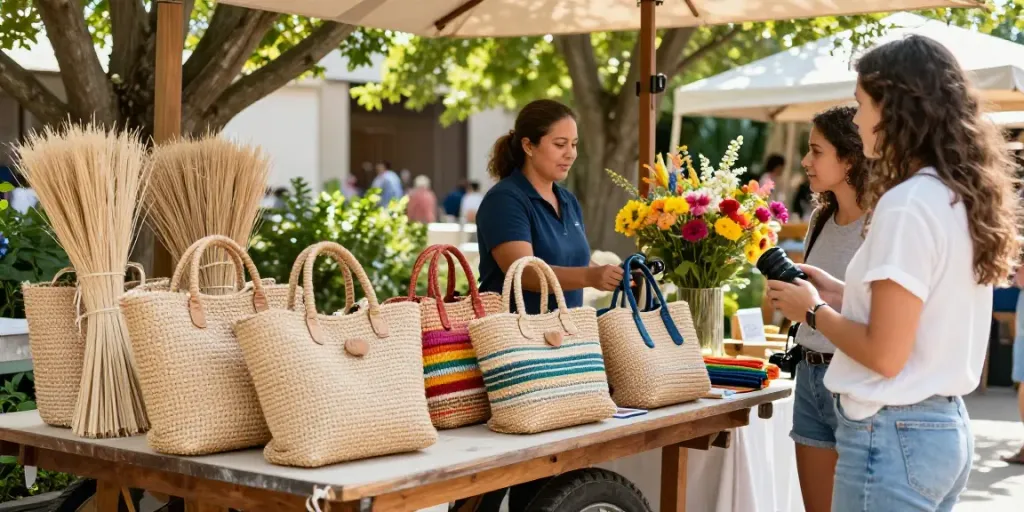
Raffia naturel is derived from the leaves of the raffia palm (Raphia farinifera), a plant native to Madagascar. The leaves are gathered, dried, and then processed into long, flexible strips that can be woven into intricate designs. This natural fibre is not only durable but also offers a unique texture that adds depth to various fashion items, especially bags. As a versatile material, raffia lends itself well to both elegant and casual designs, making it a staple in contemporary wardrobes.
History and Origin of Raffia in Madagascar
The use of raffia has deep roots in Madagascar's culture, where it has been woven into traditional crafts for centuries. Originally, the material was employed for utilitarian purposes, such as creating mats, baskets, and ceremonial clothing. Over time, artisans have honed their skills, transforming raffia into a fashionable component of apparel and accessories that echo the island's rich heritage. Today, raffia remains a testament to the craftsmanship and cultural narratives of the Malagasy people.
The Growing Popularity of Raffia Products
In recent years, the global trend towards sustainable fashion has led to a resurgence in the popularity of raffia products. Consumers are increasingly seeking eco-friendly alternatives as they become more conscious of the environmental impact of their purchasing decisions. Raffia bags, in particular, have gained traction on social media platforms, often showcased by influencers and fashion enthusiasts for their aesthetic qualities and sustainable credentials. As awareness grows, so does the demand for authentic, handwoven raffia goods that tell a story.
The Art of Crafting Raffia Bags
Traditional Techniques Used in Raffia Weaving
The creation of raffia bags involves a meticulous process, where skilled artisans employ traditional weaving techniques passed down through generations. Each bag is crafted entirely by hand, ensuring that every piece is unique. Artisans begin by carefully selecting the finest raffia leaves, which they then prepare for weaving. This process requires significant expertise, as the leaves must be split, dried, and dyed to create the desired colours and textures.
Choosing Sustainable Materials: Why Raffia Naturel Matters
In a world increasingly filled with synthetic materials, choosing raffia naturel is a conscious decision towards sustainability. Raffia is biodegradable and renewable, making it a superior alternative to plastic or polyester bags. By supporting brands that utilise raffia, consumers are not only investing in high-quality products but also contributing to environmental preservation. The sustainable farming practices associated with raffia production help maintain Madagascar's ecosystem, ensuring that local communities benefit economically from these natural resources.
Insights from Artisans: The Process Behind Each Bag
Artisans who create raffia bags share a deep connection with their craft, viewing it as both an art form and a means of livelihood. Each bag carries the imprint of its creator, reflecting their skill and passion. The weaving process can take several days, depending on the complexity of the design. Many artisans work in communities, collaborating to uphold traditional techniques while also adapting to contemporary styles. This blend of tradition and innovation is what makes each raffia bag truly special.
Styling with Raffia Naturel Bags
Fashion Trends in 2026: Incorporating Raffia into Your Wardrobe
The fashion landscape in 2026 is predicted to embrace even more sustainable materials, with raffia at the forefront. Designers are integrating raffia into high-fashion collections, showcasing its versatility in various styles, from casual beach bags to sophisticated evening clutches. Pairing raffia bags with summer dresses or tailored outfits creates a contrast that is both chic and effortless, making it a must-have accessory for fashion-forward individuals.
Occasions to Showcase Raffia Bags
Raffia bags are perfect for various occasions, adding a touch of elegance and eco-friendliness to any outfit. Whether attending a beach wedding, a picnic in the park, or a day out in the city, these bags can elevate your look while staying practical. The lightweight nature of raffia bags makes them ideal for summer outings, allowing you to carry all essentials without compromising on style.
Accessorising Your Bag: Tips and Suggestions
To enhance the beauty of your raffia naturel bag, consider accessorising it with complementary items. Scarves, for example, can be tied around the handle to add a pop of colour or pattern. Additionally, pairing your raffia bag with natural materials—such as wooden jewellery or linen clothing—can create a harmonious and stylish ensemble. Don't shy away from mixing textures; a raffia bag can be beautifully complemented with leather or canvas pieces.
Caring for Your Raffia Bags
Maintenance Tips for Longevity
To keep your raffia bags looking their best, proper maintenance is essential. Avoid exposing your bag to excessive moisture or direct sunlight for prolonged periods, as these elements can cause the material to weaken or fade. When cleaning, use a soft brush to remove dust and dirt, and spot-clean with a damp cloth if necessary. It's advisable to store your raffia bags in a cool, dry place, preferably in a dust bag or box to prevent deformation.
Storage Solutions for Raffia Bags
When it comes to storing your raffia bags, consider using padded hangers or placing them upright in a box to maintain their shape. Avoid cramming multiple bags together, as this can lead to creasing or damage to the delicate fibres. Keeping your bags in breathable cotton dust bags can also protect them from dust while allowing air circulation, which is critical for natural materials.
Repurposing and Recycling Raffia Products
As sustainability is integral to the appeal of raffia, repurposing and recycling raffia products is encouraged. Old or worn bags can be transformed into home décor items, such as wall hangings or plant holders. Additionally, some artisans accept returned raffia products for recycling, ensuring that the fibres are not wasted. This cycle of use and reuse contributes to a more sustainable lifestyle and community support.
The Future of Raffia in Fashion
Emerging Trends in Sustainable Fashion
The future of fashion is increasingly aligned with sustainability, and raffia is likely to play a significant role in this shift. As consumers demand more ethical options, brands that utilise raffia are well-positioned to thrive. The versatility of raffia allows it to evolve alongside changing fashion trends, ensuring its place in both casual and high-end markets.
The Role of Artisans in the Global Market
Artisans are at the heart of the raffia industry, bringing authentic craftsmanship to a global audience. Their skills not only preserve traditional practices but also cater to the modern market's demands for unique, quality products. By purchasing raffia bags directly from artisans or reputable brands, consumers can contribute to fair trade practices and support local economies. This connection between artisan and consumer enriches the experience, making each purchase feel personal and meaningful.
Predictions for Raffia Products in 2026 and Beyond
Looking ahead, it is predicted that raffia products will continue to gain popularity, particularly as sustainability becomes a non-negotiable standard in fashion. With innovations in design and production, raffia could see diversification into new product categories, including apparel and home goods. The combination of ecological awareness and fashionable design will ensure that raffia remains a sought-after material well into 2026 and beyond.
What types of products can be made from raffia?
Raffia is incredibly versatile and can be transformed into a wide range of products, from bags and hats to decorative items and home accessories. Its natural charm makes it an appealing choice across various domains, leading to creativity in design.
Why is raffia considered eco-friendly?
Raffia is derived from a renewable resource and is biodegradable, making it a sustainable alternative to synthetic materials. Additionally, the cultivation of raffia supports local economies and encourages sustainable farming practices in Madagascar.
How do you maintain the quality of a raffia bag?
Maintaining the quality of a raffia bag involves regular cleaning, proper storage, and protecting it from prolonged exposure to moisture and direct sunlight. By following these maintenance tips, you can ensure your bag remains in good condition for years to come.
Where to buy authentic raffia naturel products?
Authentic raffia naturel products can be purchased from reputable brands, local artisans, or eco-conscious stores that focus on sustainable fashion. It's essential to research and support brands that prioritise fair trade and craftsmanship.
What makes raffia a preferred choice in fashion?
Raffia's unique aesthetic appeal, durability, and eco-friendliness make it a preferred choice in the fashion industry. Its versatility allows it to be used across various styles and occasions, making it a timeless material for both casual and formal wear.