
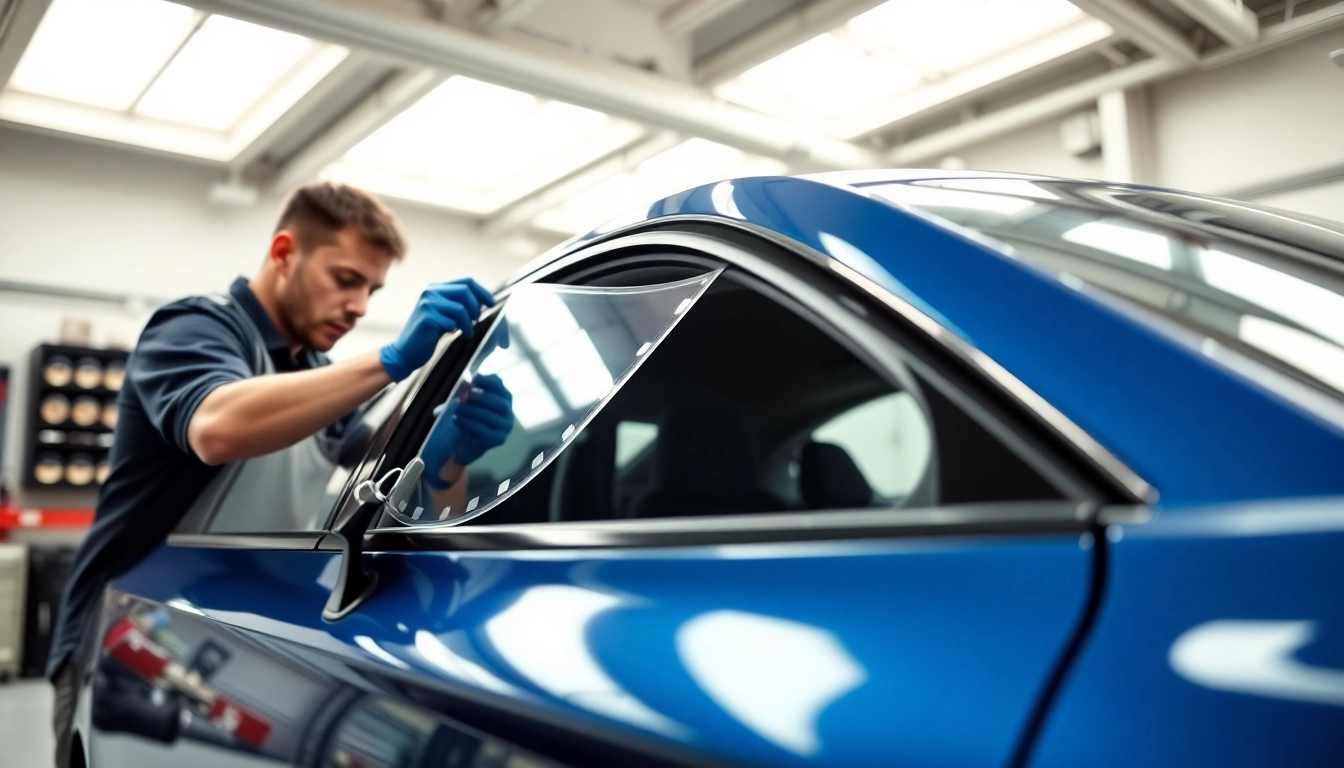
Understanding Window Tinting
What is Window Tint?
Window tinting involves the application of a thin, transparent film to the glass of a vehicle or building. This film is designed to enhance privacy, regulate temperature, reduce glare, and protect the interior from UV rays. The tint comes in various shades, allowing users to choose the level of light transmittance that suits their needs. The effectiveness and benefits of window tint depend largely on the type of film used and the quality of the installation.
Types of Window Tint
There are several types of window tints available, each designed for specific purposes:
- Dyed Window Tint: This type uses dye to darken the glass and block some UV rays. While affordable, it may fade over time.
- Metalized Window Tint: Contains metal particles that reflect heat and UV rays, making it more durable than dyed tint.
- Carbon Window Tint: Offers excellent UV protection and heat rejection without the reflective surface of metalized tints, providing a more aesthetically pleasing finish.
- Comprised of ceramic particles, this high-end option is exceptional at rejecting heat and UV rays without affecting visibility.
Benefits of Window Tint Near Me
Choosing to install window tint near me can offer numerous advantages. Here are some key benefits:
- Increased Privacy: Window tint provides an additional layer of privacy, making it harder for outsiders to see inside.
- UV Protection: Tinted windows block up to 99% of harmful ultraviolet rays, protecting passengers and interior furnishings from sun damage.
- Temperature Control: Tints can significantly reduce heat inside vehicles or buildings, contributing to more comfortable climates and reduced reliance on air conditioning.
- Glare Reduction: Window tint minimizes glare from sunlight, enhancing driver comfort and reducing eye strain.
- Energy Savings: By regulating indoor temperatures, window tint can lead to lower energy bills for heating and cooling.
Choosing the Right Window Tint
Factors to Consider When Selecting Window Tint
Selecting the right window tint involves several considerations to ensure both functionality and compliance with local regulations:
- State Regulations: Different states have specific laws regarding the darkness and reflectivity of window tint. It’s essential to be aware of these laws before making a selection.
- Purpose: Determine the primary reason for applying window tint—whether for heat reduction, privacy, style, or glare reduction.
- Material Quality: Opt for high-quality films that offer durability, UV protection, and warranty coverage to ensure long-term performance.
- Installation Requirements: Select a product that is easy to install or suitable for professional installation, considering your resources and skills.
Legal Regulations for Window Tinting
Before applying window tint, it’s crucial to understand the legal implications:
- Each state has different laws regarding the allowable VLT (Visible Light Transmission) percentage for different windows.
- Front windshields often have stricter regulations compared to side and rear windows.
- Violating these laws can lead to fines and require removal of the tint, so always check local laws before installation.
How to Evaluate Quality of Window Tint
To ensure you’re investing in quality, here are some aspects to evaluate:
- Warranty: Trustworthy products usually come with a warranty, indicating durability.
- UV Protection: Look for tints that offer high UV-blocking capabilities.
- Heat Rejection: Check the manufacturer’s specifications for how well the tint rejects heat.
- Brand Reputation: Research customer reviews and brand history to gauge quality and customer service.
Finding Local Window Tinting Services
How to Search for Window Tint Near Me
When looking for window tint near me, follow these steps:
- Online Search: Utilize search engines and social media to find local services.
- Local Directories: Check platforms like Yelp and Google Maps to compare businesses based on customer reviews and ratings.
- Word of Mouth: Ask friends, family, or coworkers for recommendations based on their experiences.
Key Questions to Ask Local Providers
Before settling on a service provider, consider asking these critical questions:
- What types of window tint do you offer? Understand the options available for your specific needs.
- Do you have relevant experience and licenses? Confirm their qualifications and past experience.
- What warranties do you provide? Assess the coverage they offer for their products and services.
- Can you provide references or testimonials? Speak to past customers about their satisfaction and experience.
Reviews and Recommendations for Window Tinting
Evaluating reviews from previous customers can provide invaluable insight into a service provider’s reliability. Websites dedicated to customer reviews can offer information on:
- Overall customer satisfaction ratings.
- Common praises or complaints regarding service speed, quality, and post-installation support.
- Comparative pricing and transparency in cost.
Window Tint Installation Process
What to Expect During Installation
Understanding the installation process can alleviate concerns and set expectations:
- The car or building windows will be thoroughly cleaned to ensure proper adhesion of the film.
- Depending on the complexity, installation can take anywhere from a few hours to a full day.
- After applying the film, technicians will use tools to smooth out any bubbles and achieve a perfect seal.
DIY vs Professional Installation
While DIY installation may seem cost-effective, professional installation offers several benefits:
- Quality Assurance: Professionals have the experience necessary to ensure perfect application, reducing the risk of bubbles or peeling.
- Warranty Protection: Most professional installations come with warranties that DIY jobs may not have.
- Time Efficiency: Professionals typically work faster, freeing you up for other tasks.
Post-Installation Care Tips
To maintain the integrity and lifespan of the window tint, consider the following care tips:
- Avoid rolling down windows for at least a week after installation.
- Use a soft cloth for cleaning; avoid ammonia-based cleaners, which can damage the tint.
- Regularly inspect for any bubbles or peeling, addressing issues promptly to prevent further damage.
Frequently Asked Questions About Window Tint
How long does window tint last?
Window tint typically lasts between 5 to 15 years, depending on the type of film, installation quality, and environmental conditions. High-quality tints often come with warranties that reflect their longevity.
Is window tint worth the investment?
Yes, window tint provides numerous benefits, including UV protection, temperature control, and enhanced privacy, which can make it a valuable investment over time.
Can I remove window tint myself?
While DIY removal is possible, it can be tricky and may damage your windows if not done correctly. It’s often best to consult professionals for safe removal.
Does window tint affect visibility at night?
While window tints can reduce visibility slightly at night, quality films are designed to minimize this effect, ensuring safety during nighttime driving.
Are there any warranties for window tint?
Many reputable brands offer warranties for their window tints, covering defects and fading. Always ask for warranty details when purchasing and installing.